Pleasant Hill offers a practical blend of Willamette Valley scenery, everyday services, and access to larger Lane County destinations. Whether you are comparing homes, planning a move, or simply getting oriented, a close look at parks, routes, and property types can make the area easier to understand.
A Small-Community Setting with Lane County Access
Set southeast of Eugene and Springfield, Pleasant Hill is a Lane County community where open land, wooded views, and residential streets shape the daily landscape. It is not a place defined by one single lifestyle or housing style; instead, buyers will find a mix of established homes, newer construction, properties with extra outdoor space, and rural parcels in the surrounding area. That variety is one reason it helps to start with the practical questions: how much land is right for your plans, what maintenance comes with it, and how often you expect to travel into nearby employment centers, medical offices, shopping areas, or entertainment districts.
The setting invites people to pay attention to the features that can be easy to overlook during a quick showing. A property may have a wooded edge, a long driveway, outbuildings, a garden area, or a sloped section of land that changes how it is used through the year. Oregon’s wet season and summer dry spells can affect drainage, landscaping, road access, septic systems, wells, roofs, and exterior upkeep. Buyers considering acreage or a more rural location often benefit from taking time to understand boundary information, utility arrangements, road maintenance, zoning, and the condition of existing improvements.
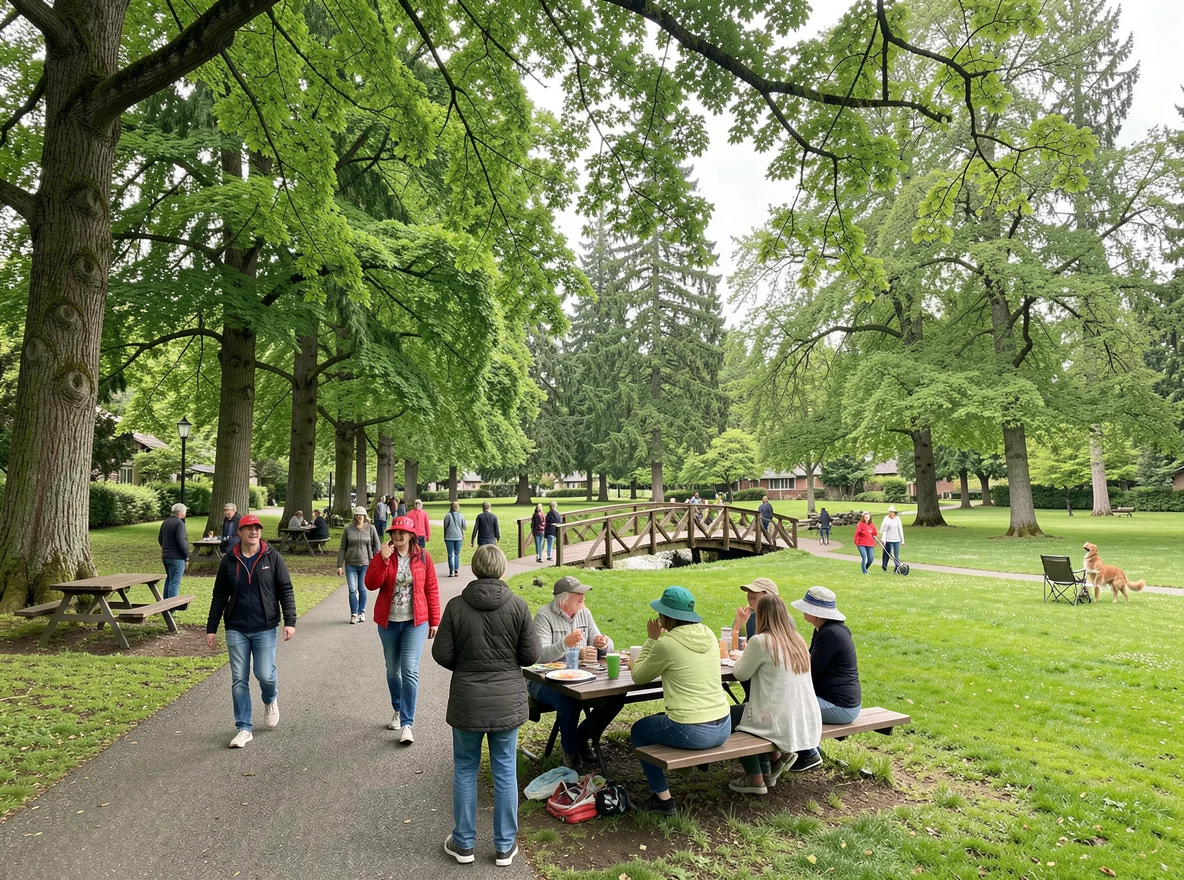
Parks and outdoor spaces add another everyday layer to the area. A walkable path, a shaded picnic table, or room to pause outside can be as meaningful as a home’s square footage when considering how a location feels over time. Pleasant Hill’s surrounding landscape also puts river corridors, foothill drives, and trail opportunities within reach, while the larger Eugene-Springfield area provides a broad selection of public parks and recreation facilities. The best fit depends on the routines that matter most to you, from a morning walk to weekend gardening or access to regional outdoor destinations.
When comparing properties with land, look beyond the acreage number: usable terrain, water access, driveway condition, and maintenance needs can make a meaningful difference in day-to-day ownership.
For sellers, this range of property types creates an opportunity to tell a clear story. Details such as a recently serviced well, a maintained gravel drive, a usable workshop, upgraded fencing, or thoughtfully managed landscaping may help prospective buyers understand how the property functions. High-quality photos, accurate feature lists, and preparation that reflects the season can make a listing easier to evaluate from the first online search through an in-person visit.
Commutes, Errands, and Everyday Connections
Commute planning is often central to a Pleasant Hill home search. The community’s location can appeal to people who want access to Eugene, Springfield, or other Lane County destinations while living outside the core urban area. Actual travel times will vary with the specific address, route, weather, construction, and time of day, so it is worth testing a route at the hours you expect to use it most. Mapping a few common trips before making an offer can provide a more useful picture than relying on a general mileage estimate.
It can also help to build an “ordinary Tuesday” checklist. Think about grocery runs, package delivery, fuel, appointments, pet services, fitness, library visits, and dining plans, then compare the drive from the properties you are considering. Some buyers place a premium on being close to the services they use most often; others are comfortable planning fewer, more consolidated trips. Neither approach is universally better, but identifying your own pattern early can narrow the search in a useful and realistic way.
Access to regional hubs also broadens the range of local amenities. Eugene and Springfield offer larger retail areas, health-care facilities, cultural venues, higher education, sports events, and dining options, while Lane County offers parks, waterways, farm stands, and scenic road trips throughout the year. Pleasant Hill can serve as a convenient starting point for enjoying those resources without making every outing feel like a major excursion.
A home search should also include a close look at connectivity. Ask about internet providers and speeds at the specific address, especially for properties outside denser service areas. Confirm cell coverage in and around the home, check delivery access, and review any private-road or shared-driveway agreements. These are straightforward due-diligence items, yet they can influence how smoothly a property supports work, communication, and everyday logistics.
A route that feels comfortable on a weekend can operate differently during weekday peak travel, winter rain, or road work. Test the trips that will matter most before finalizing your decision.
Finding the Right Property Approach
Because Pleasant Hill includes both residential pockets and nearby rural settings, a focused search strategy is especially valuable. Start by separating your non-negotiables from your preferences. Non-negotiables might include a maximum commute range, minimum bedroom count, step-free access needs, a certain amount of usable land, or a budget that leaves room for planned improvements. Preferences may include a covered patio, a workshop, a view, mature trees, or a particular architectural style. This simple distinction keeps the search grounded when a property has a memorable feature but misses an essential requirement.
Home condition deserves the same attention as location. In Oregon, buyers commonly evaluate roofing, drainage, heating and cooling systems, insulation, crawlspaces, septic systems, wells, decks, and outbuildings as part of their inspection planning. Older homes can offer character and established landscaping, while newer homes may offer more recently installed systems and updated layouts. Every property has its own history, so inspections and specialist evaluations should be matched to the home’s age, features, and inspection findings rather than assumed from appearances alone.
Market conditions change, and the right offer strategy depends on current inventory, comparable sales, condition, and financing terms. A well-prepared buyer can move more confidently by reviewing recent data, having lender conversations early, and understanding the timelines involved in inspections, appraisal, and closing. Sellers can benefit from the same local context when deciding on pricing, preparation, and launch timing. Clear information supports better decisions on both sides of a transaction.
For people relocating to the area, an exploratory visit can be particularly helpful. Drive through at different times of day, note the condition of roads and nearby properties, visit public outdoor spaces, and complete a few typical errands. Keep your observations specific and personal: Does the route work for your schedule? Does the land match the maintenance you want to take on? Does the home’s setting support the way you plan to use it? Those questions lead to a more confident decision than broad assumptions about any community.
Learn about Oregon buyer representation
A Grounded Way to Explore Pleasant Hill
Pleasant Hill rewards a thoughtful look. Its appeal is often found in the combination of landscape, access, and the chance to choose from different property settings within the broader Lane County area. A home close to daily services may suit one set of priorities, while a property with additional outdoor space, a workshop, or a quieter rural road may suit another. The goal is not to find a universally “best” option, but to identify the one that aligns with your budget, maintenance comfort level, travel patterns, and plans for the years ahead.
As you compare listings, give yourself room to look past first impressions. Review the practical details, spend time on the routes you will use, and consider how each property works across Oregon’s changing seasons. With a clear list of priorities and local guidance tailored to the home itself, Pleasant Hill can become easier to navigate—and much easier to picture as your next move.