
Preparing a Creswell home for sale does not require a complete overhaul. The most effective plan is a focused one: address visible maintenance, clarify the home’s best features, make pricing decisions with current local context, and create a showing-ready routine before the listing goes live. These seven steps can help sellers move from “almost ready” to confidently on the market.
1. Start With a Practical Walk-Through
Before ordering a sign, walk through the property with a buyer’s perspective. Begin at the curb, move through every room, open closets and cabinets, and take notes on anything that looks unfinished, worn, or difficult to understand at a glance. A home does not need to be brand-new to make a strong impression, but it should communicate that it has been cared for.
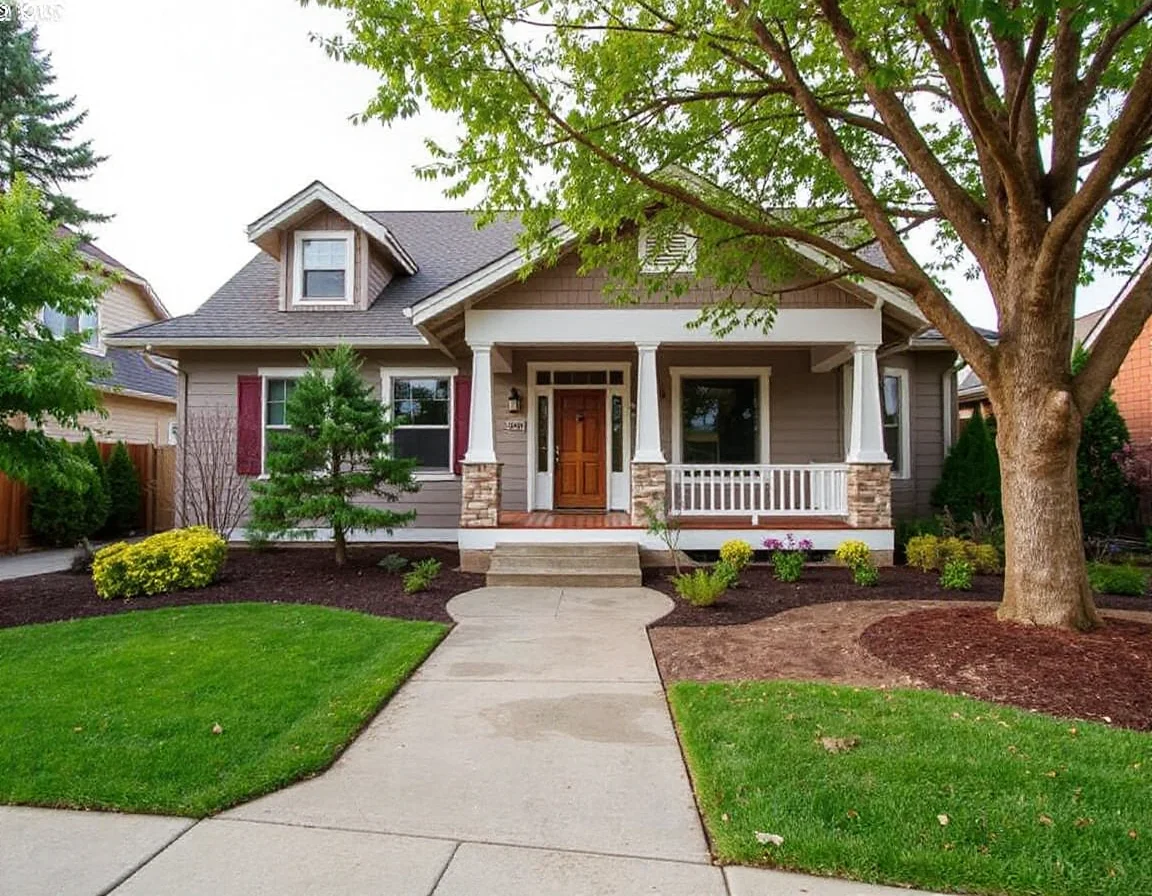
Focus first on items a visitor can immediately see: peeling paint, loose hardware, a damaged screen, stained caulk, burned-out light bulbs, cluttered counters, or a crowded entry. Small repairs often have an outsized effect because they reduce the number of questions a potential buyer carries from room to room.
Outside, trim back vegetation that blocks windows or paths, clear debris from gutters where appropriate, and make the front door easy to reach. In Creswell, seasonal rain and changing temperatures can make exterior upkeep especially noticeable, so a clean approach, tidy planting beds, and a functioning entry light are worthwhile details.
A seller prep list works best when it separates quick fixes from larger projects. Complete the high-visibility items first, then decide whether bigger work is likely to improve marketability enough to justify the cost and timing.
2. Make Repairs Before They Become Negotiation Points
Not every repair belongs on a pre-listing to-do list, but obvious deferred maintenance deserves attention. Look for dripping faucets, doors that do not latch cleanly, cracked outlet covers, damaged flooring transitions, loose railings, and fixtures that do not operate as expected. These details can distract from the home’s layout, light, storage, and other strengths.
For larger concerns, such as roofing, heating and cooling equipment, drainage, plumbing, electrical components, or a septic system on a rural property, gather information early. Service records, recent invoices, warranties, and inspection reports can help establish a clear history. Sellers should also be prepared to complete Oregon’s required property disclosure documentation accurately and thoughtfully.
It is often useful to consult qualified contractors for repair estimates rather than guessing at the scope of work. Even when a seller chooses not to complete every project, knowing the likely cost and condition helps support clearer conversations once offers and inspections begin.
3. Refresh the Rooms That Carry the Most Weight
Kitchens, bathrooms, living areas, and primary sleeping spaces tend to shape a buyer’s first impression of daily life in a home. Refreshing these spaces does not have to mean replacing everything. Deep cleaning, neutral touch-up paint, updated cabinet hardware, a repaired faucet, or simplified furnishings can make a room feel more open and easier to evaluate.
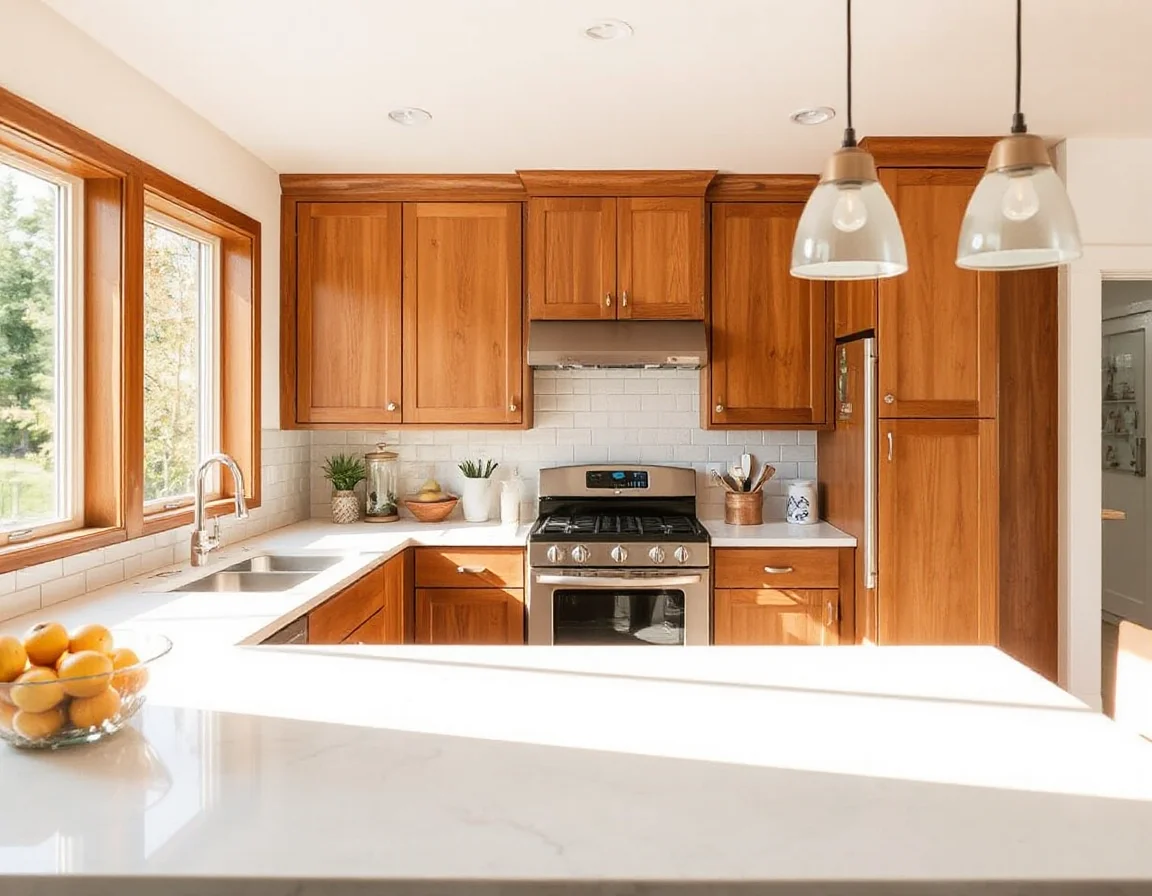
Depersonalizing is not about making a home feel empty. It is about helping visitors notice the space itself. Reduce excess furniture, clear refrigerator doors and countertops, pack highly personal collections, and create clear pathways through each room. Storage areas matter, too; neatly organized closets and pantries help demonstrate how the home functions.
Lighting is another simple improvement with real visual impact. Replace mismatched or dim bulbs, open blinds before photography, and make sure exterior lights are working. For listing photos and showings, a bright, clean presentation helps rooms read accurately online and in person.
The goal is not to create a showroom. It is to make each room easy to understand within a few moments, whether someone is viewing professional photos or walking through during a scheduled showing.
4. Plan for Acreage, Outbuildings, and Rural Features
Many properties around Creswell include features beyond the main residence, such as acreage, detached garages, workshops, barns, sheds, fencing, wells, or septic systems. These features can add meaningful utility, but they require their own prep plan. Clear access routes, remove unused materials where possible, and make it easy for visitors to see how each structure is arranged.
Collect documents related to wells, septic servicing, surveys, permits, utility systems, outbuildings, or land-use information that may be relevant to the property. If boundaries are not obvious, avoid making assumptions; use available records and professional guidance. Clear information is more helpful than broad claims, especially when buyers are evaluating a property with several moving parts.
For land and rural homes, photographs should show the home, practical outdoor areas, and major improvements in a way that is accurate and inviting. A well-organized presentation can help potential buyers understand the property’s opportunities without overpromising what a feature may allow.
5. Price With Current Creswell Market Context
Preparation and pricing go hand in hand. A carefully refreshed home still needs a strategy based on current competition, recent comparable sales, condition, location, lot characteristics, and buyer activity. Online estimates are useful starting points, but they cannot fully account for improvements, maintenance history, interior flow, or distinctive features of a particular property.
Reviewing active listings is just as important as reviewing sold homes. Active properties show what buyers can currently choose from, while pending and sold properties provide useful context about recent market response. The aim is to choose a price that reflects the home’s real position in the local market, not simply a number that sounds appealing.
Request a Creswell home valuation
6. Prepare for Photos, Showings, and Everyday Logistics
Once the listing date is approaching, create a simple showing routine. Keep a basket or bin available for last-minute items, maintain clear kitchen and bathroom surfaces, secure important documents and valuables, and have a plan for pets during appointments. These practical steps reduce stress when a showing request arrives with limited notice.
Professional photography should be scheduled after cleaning, repairs, and staging are complete. Walk through the home once more before the photographer arrives: turn on lights, open window coverings, hide cords where possible, and remove outdoor bins or hoses from prominent areas. Strong images help set expectations accurately, which can lead to more productive in-person visits.
If the property has special operating instructions, such as gates, a shared drive, a well house, an alarm system, or an outbuilding lock, provide clear details through the listing process. Making access straightforward protects the property and helps appointments run smoothly.
7. Build a Launch Plan Instead of Rushing to Market
The final step is giving the launch enough time to come together. A clear property description, accurate feature list, complete disclosures, polished photographs, pricing strategy, and showing plan work better when they are coordinated. Rushing a home onto the market before these pieces are ready can make the first days feel more stressful than necessary.
Seller preparation is ultimately about reducing surprises. By addressing condition, organizing information, and presenting the home with intention, Creswell sellers can enter the listing process ready to respond thoughtfully to interest, offers, and inspections. A focused plan lets the property’s strongest features take center stage from day one.