
Glide home values are shaped by more than a list-price headline: acreage, water access, condition, outbuildings, financing terms, and the number of comparable properties all matter. Whether you are preparing to make an offer or considering a sale, a focused read of local inventory and negotiation conditions can help you make decisions with clearer expectations.
Why Glide Pricing Takes a Closer Look
In Glide, a home search can cover a remarkable range of property types within a relatively small geographic area. A residence near the North Umpqua River, a home on a wooded parcel, a property with a workshop, and a conventional neighborhood home may all appear in the same search results, yet their value drivers can be very different. That variety is part of what makes the area appealing—and why automated estimates and broad county averages should be treated as starting points rather than final answers.
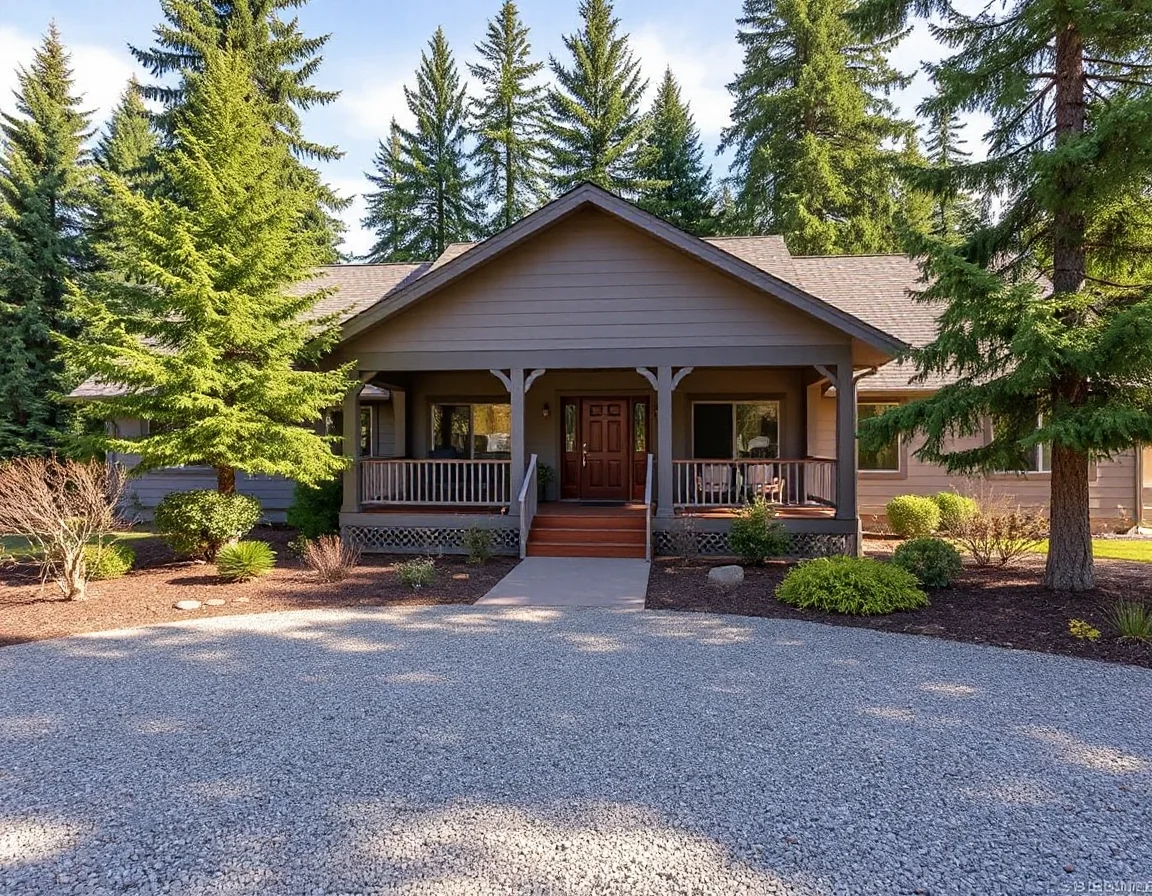
Comparable sales remain the foundation of a sound pricing strategy. The most useful comparisons are properties that resemble the home in location, usable land, age, upkeep, square footage, utility setup, and amenities. In a market with a limited number of recent sales, it can be necessary to look across several months and make careful adjustments rather than relying on one nearby closing. A property’s access, topography, road maintenance considerations, septic system, well details, and outbuildings can all affect how buyers evaluate it.
Inventory is equally important. When several similar homes are available at once, buyers have more opportunities to compare condition and value, and sellers need a particularly well-supported list price. When suitable choices are scarce, a thoughtfully presented property may draw stronger attention. Neither situation guarantees an outcome, but both influence the pace of showings, buyer questions, and the negotiating room that may emerge after an offer arrives.
In a small-market area, the “right” comparable is often more valuable than the closest comparable. Land usability, access, improvements, and maintenance can outweigh a short distance on the map.
For sellers, this means preparing a pricing conversation with documentation. Gather records for major updates, roof work, heating systems, well or septic service, permits when applicable, and improvements to barns, garages, fencing, or driveways. Clear information gives buyers a more complete picture of the property and helps distinguish real value from assumptions. For buyers, reviewing these details before writing an offer can make a comparison between two seemingly similar listings much more meaningful.
Reading Inventory Beyond the Number of Listings
A simple count of active listings does not tell the entire story. The more useful question is how many available homes genuinely compete with a particular property. A buyer looking for a smaller in-town residence is not necessarily comparing the same options as someone looking for acreage, river-adjacent surroundings, or room for equipment and storage. Likewise, a seller should understand which listings will appear beside their home in online searches, since those are often the properties buyers will use as their immediate reference point.
Pay attention to listing age and price changes. A home that has been available for an extended period may be signaling a gap between the asking price and buyer expectations, although there can be many reasons a property remains unsold. A recent price adjustment can refresh attention, but it works best when it aligns with the home’s condition, presentation, and current competition. New listings can also alter the landscape quickly, especially when a property offers features that are uncommon in the current selection.

Seasonality can influence activity as well. Weather, daylight, school calendars, holidays, and regional work schedules may affect when homes are listed and when buyers schedule tours. That does not mean there is one universally best month to buy or sell. Instead, it means timing should be considered alongside readiness. A well-prepared home entering the market with accurate pricing and strong visual presentation can perform more effectively than a rushed listing launched solely to meet a calendar date.
Glide’s outdoor setting also affects how a property is experienced. Photos should show the residence clearly, but they should also help viewers understand usable outdoor space, driveway approach, views, landscaping, and the relationship between the home and any additional structures. For properties with acreage, clarity matters: buyers benefit from knowing which areas are level, wooded, fenced, irrigated, improved, or accessed by an easement. Good marketing creates interest; useful property information helps that interest become a confident next step.
Negotiation Trends: Looking Beyond the Purchase Price
Negotiation is not only about the number written on the first page of an offer. Financing type, down payment, earnest money, inspection timelines, appraisal terms, requested repairs, possession date, and contingencies can all influence a seller’s response. A higher price with uncertain financing or broad contingencies may not carry the same weight as a slightly lower offer with clear documentation and workable terms. The strongest approach is to assess the complete package rather than focusing on a single figure.
For buyers, an informed offer begins before the offer is written. Review comparable sales, identify the property’s distinctive features, ask questions about utility systems and access, and understand the likely costs of any planned changes. Avoid assuming that a seller will address every item raised during inspections; instead, prioritize health, safety, major-system, and material-condition concerns. This keeps negotiations focused and can help both parties move toward a practical resolution.
A successful negotiation often comes from clarity: specific timelines, complete lender information, and focused requests make it easier for everyone to evaluate the offer on its merits.
Sellers can support smoother negotiations by addressing deferred maintenance where practical, making key records available, and setting realistic expectations before going live. An inspection does not have to be viewed as a setback. It is a period for evaluating the property in more detail, and preparation can reduce surprises. If a repair request arises, the decision should be weighed against the contract, the property’s market position, the likely response from another buyer, and the cost of returning the home to active status.
Appraisals deserve special attention in markets where properties are unique or comparable sales are limited. An appraiser may need additional context to understand upgrades, land features, outbuildings, or the reasons a property differs from an apparently similar sale. Sellers can prepare a concise packet of improvements and relevant property facts. Buyers should be ready to discuss options with their lender and agent if an appraisal raises questions. Planning for this possibility is not pessimistic; it is part of a careful transaction strategy.
Turning Local Information Into a Practical Plan
Market conditions in Glide are best understood as a moving picture rather than a fixed label. Inventory can shift, buyer activity can change, and each property brings its own combination of strengths and considerations. A current analysis should review active competition, pending activity, recent closings, days on market, pricing adjustments, and the details that make a home distinct. This is especially valuable for rural properties, where a broad median price rarely captures the full story.
If you are selling, start with the question buyers will ask first: how does this home compare with the alternatives available today? If you are buying, focus on the property’s long-term fit, condition, operating considerations, and value relative to recent sales—not just the urgency created by a competitive moment. A measured plan allows you to act decisively without losing sight of the details that matter after closing.
Wendy Rigsby can help homeowners and buyers interpret the local market with attention to property-specific factors, from conventional residences to acreage, land, and rural features. The goal is not to force a transaction into a generic market narrative; it is to build a strategy that reflects the home, the current competition, and your priorities.