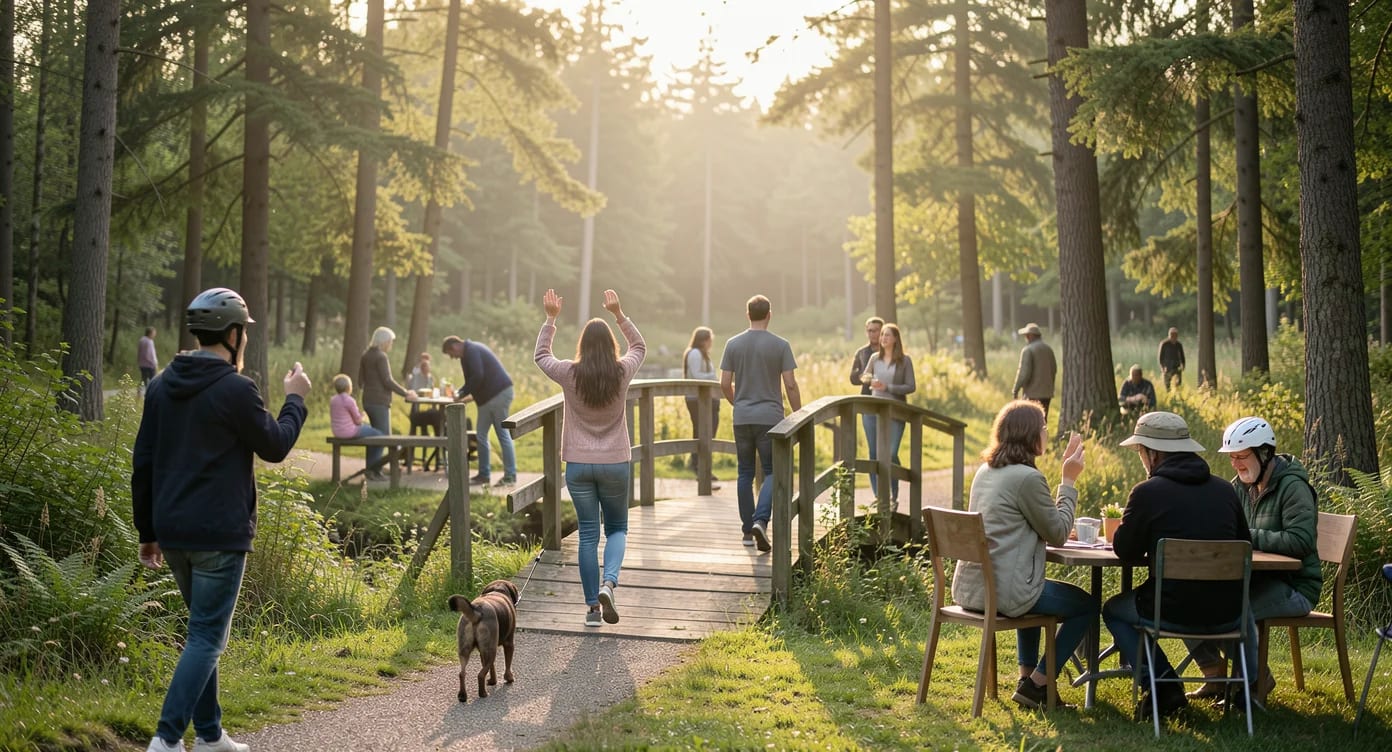
Douglas County’s character comes into focus along Roseburg’s historic streets, beside the Umpqua River, and on the roads connecting its smaller communities. Explore a few local landmarks, then learn how to evaluate the practical details behind a home’s location.
Start in the heart of Roseburg
A walk through central Roseburg offers a useful introduction to Douglas County: historic commercial buildings, places to eat, public gathering spaces, and residential streets are all part of the larger picture. Downtown is a starting point for exploring the city, with Jackson Street serving as one of its recognizable corridors. Take time to visit during the day and again when local businesses are open in the evening; the rhythm can feel different from one block to the next.
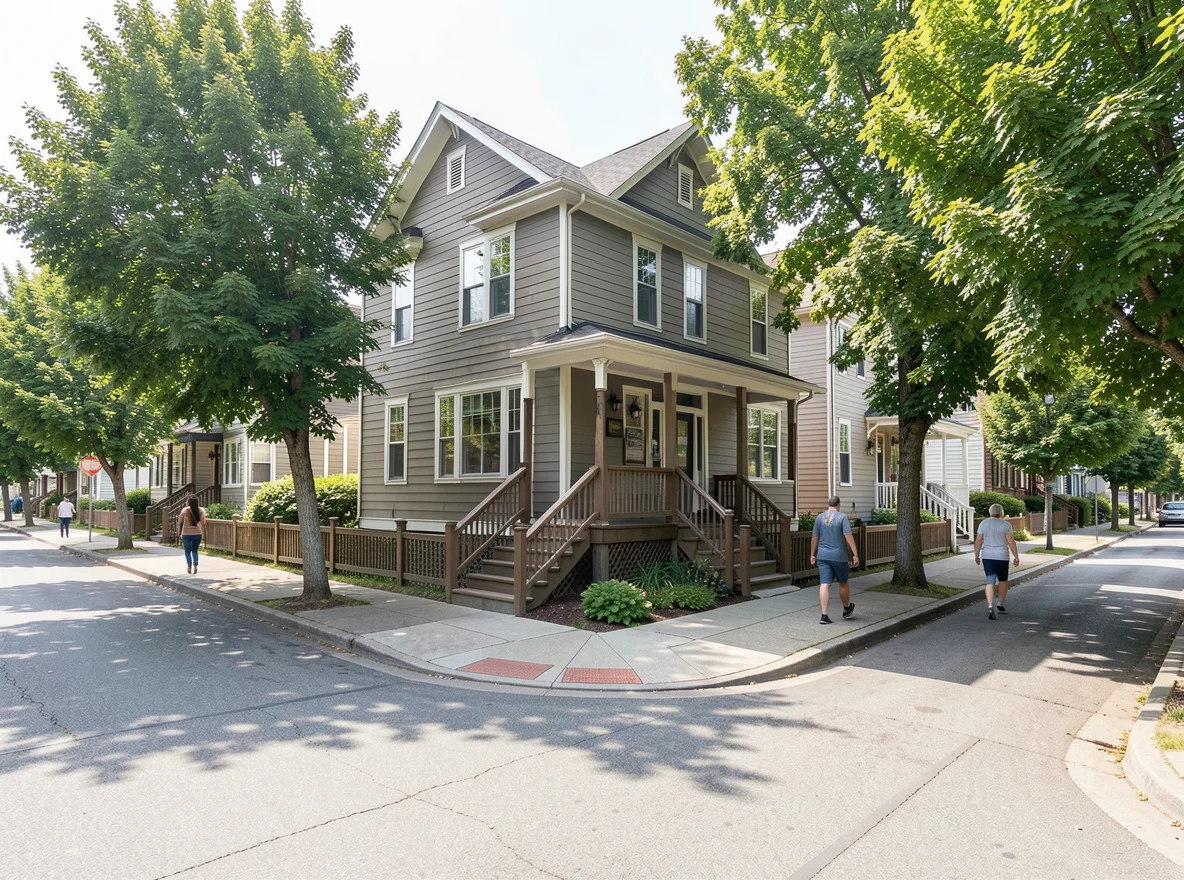
The surrounding area combines older architecture with the conveniences of a regional center. Cafés, dining, services, and community events contribute to the street-level experience, while nearby roads connect the center to other parts of the city. Rather than judging the area from a listing photo alone, walk the route to the places you expect to use and notice crossings, sidewalks, parking, and the grade of the streets.
Roseburg’s history is also part of its built environment. The city’s development was shaped by transportation, timber, and its position in the Umpqua Valley. A major explosion and fire in 1959, known locally as the Roseburg Blast, affected the downtown area; looking at today’s mix of buildings offers one way to appreciate how the city has changed over time.
For a broader view of the region’s past, the Douglas County Museum in Roseburg presents exhibits about local history and the natural world. Check its current hours before a visit, and leave time to explore beyond a single attraction. The route between the museum, downtown, and nearby neighborhoods helps reveal how the city’s amenities fit together.
A location that looks close on a map may involve hills, a busy crossing, or a longer route than expected. Test the actual trip from a property to the places you use most.
Follow the river to parks and open space
Roseburg’s relationship with the South Umpqua River adds a different dimension to a visit. Stewart Park offers green space and paths near the water, along with recreation facilities in a setting that feels distinct from the commercial center. It is a useful stop when comparing the experience of a downtown-adjacent address with other parts of the city.
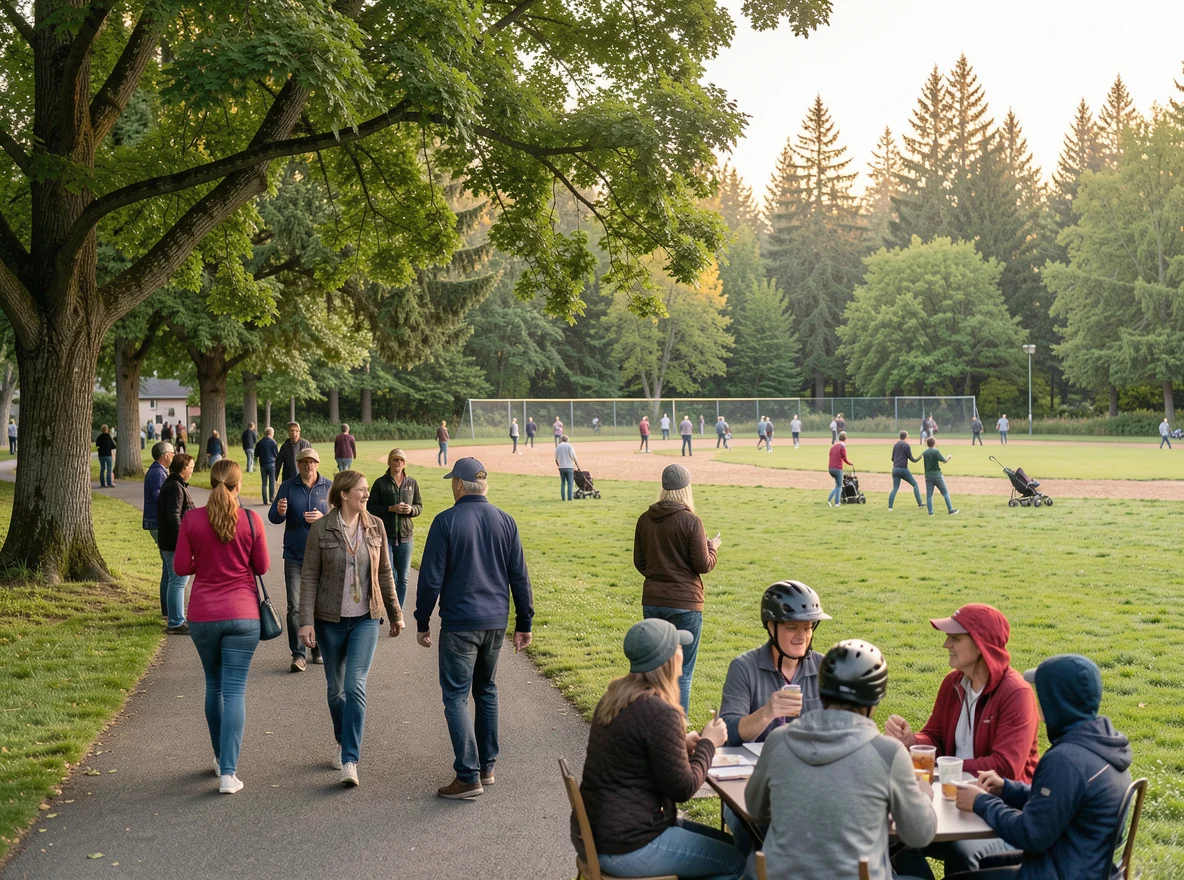
West of Roseburg, River Forks Park sits near the meeting of the North and South Umpqua rivers. It gives visitors another perspective on the landscape that defines much of the county. Park access, seasonal facilities, and conditions can change, so check the managing agency’s current information before making plans, especially when river levels or weather are a consideration.
These public spaces can help buyers compare more than scenery. Consider how you would reach a trail or park, whether the route matches your preferred mode of travel, and what the surrounding area is like at different times. For a property near water, also investigate flood-zone designations and insurance requirements rather than assuming that proximity to a river tells the whole story.
Sellers can use the same perspective when describing a property’s location. An accurate description of a nearby park or route is more useful than a broad claim about walkability. Verify the distance and access point, and distinguish between a public amenity nearby and a feature that belongs to the property.
Look beyond one city center
Douglas County extends well beyond Roseburg, and its communities offer different combinations of services, streetscapes, and open land. North of Roseburg, Sutherlin has its own commercial areas and public spaces, with Cooper Creek Reservoir east of town providing a place to experience the area’s outdoor setting. Compare actual travel routes when looking at homes in either community; a countywide search can cover more ground than it first appears.
Farther west, Winchester Bay connects the county’s story to the Oregon coast. The Umpqua River Lighthouse is a distinctive local landmark near the mouth of the river, and a visit shows how dramatically the landscape changes between the inland valley and the coast. Weather, road conditions, and the time required for the trip are worth checking before setting out.
Food and local agriculture are another part of the regional picture. The Umpqua Valley’s wineries and tasting rooms offer opportunities to explore the countryside, while Roseburg and other communities provide dining options closer to everyday services. Hours and offerings vary, so confirm details directly before making a special trip.
Turn a community visit into a property checklist
Once you have a sense of the county’s geography, connect what you have seen to the details of an individual property. A home near central Roseburg may offer a different set of tradeoffs from one on acreage outside city limits. Neither a mailing address nor a listing’s neighborhood description should substitute for checking the property’s actual location and jurisdiction.
Questions to ask before making an offer
- Access and travel: What are the usual routes to work, appointments, groceries, and recreation? Visit at the times you expect to travel.
- Utilities and services: Is the property served by public water and sewer, or does it have a well or septic system? Confirm service availability and review relevant records.
- Land and natural conditions: Are there flood, wildfire, drainage, slope, or access considerations? Consult current maps, disclosures, insurers, and appropriate professionals.
- Schools: Which district and attendance area serve the address? Verify current boundaries and enrollment information directly with the district.
- Property use: If you have plans for an addition, outbuilding, business, or land use, ask the appropriate city or county office about applicable rules.
For rural properties, confirm legal access and the condition of any well or septic system early. These details can matter as much as acreage or the view.
Market conditions and available properties change, so avoid relying on a general countywide impression when evaluating a price. Compare recent sales with similar locations, property types, acreage, and features. For sellers, those distinctions can inform preparation and pricing; for buyers, they provide context for an offer and the questions to raise during due diligence.
Search Douglas County listings
From Jackson Street to the river parks and the coast, Douglas County offers many ways to understand a place before making a real estate decision. Explore in person, verify the details that matter to your plans, and compare each property on its own merits. Wendy Rigsby can help you connect local context with the practical steps of buying or selling.