
Veneta buyers and sellers are navigating a market where the right strategy matters as much as the headline price. Inventory, condition, financing, and timing can all shape a result, whether you are preparing a home for sale or comparing available properties. A clear look at local supply and pricing trends helps turn broad market talk into practical next steps.
Reading the Veneta Market Beyond the Headlines
Real estate conversations often begin with a single question: “Is it a buyer’s market or a seller’s market?” In Veneta, the more useful answer is usually found in the details. Active inventory, newly listed homes, pending sales, price reductions, and days on market can move in different directions at the same time. That means broad Oregon or Lane County headlines may not fully describe what a particular property is likely to experience.
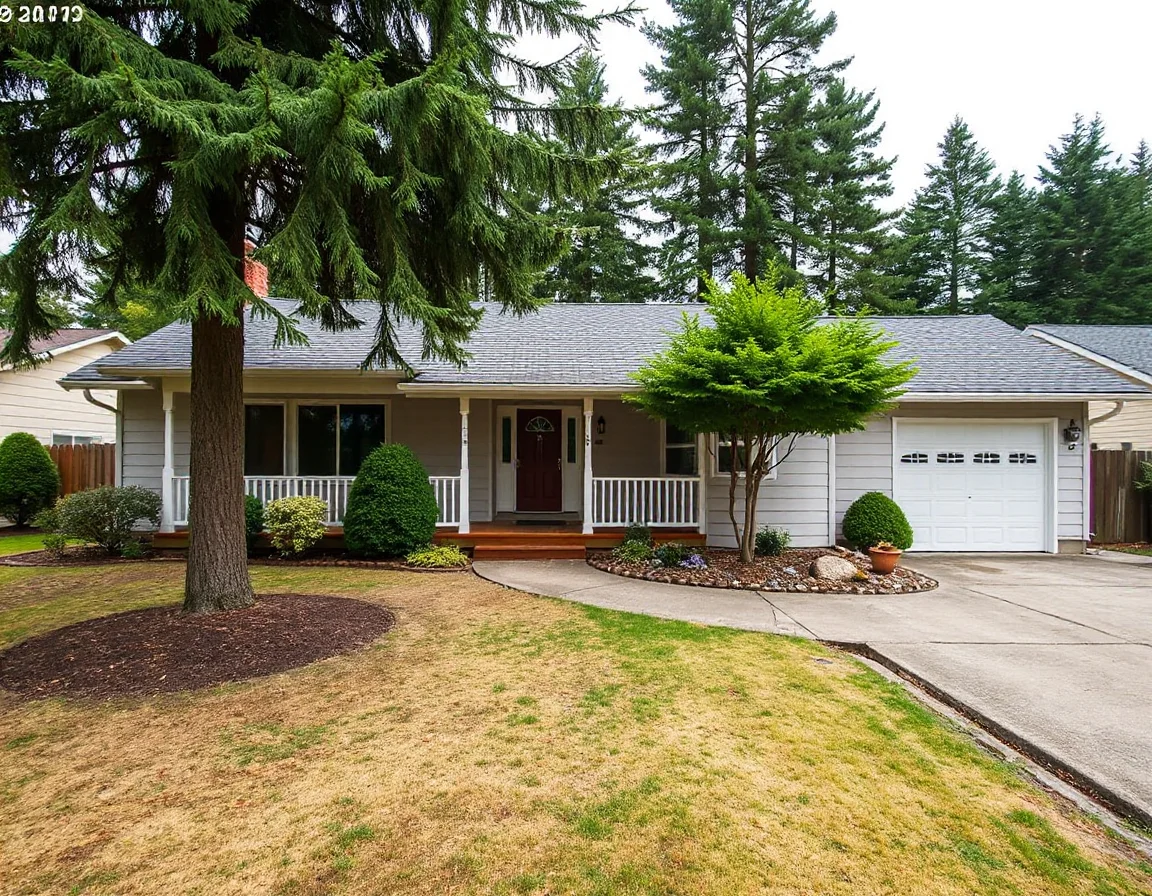
Inventory is simply the number of homes available for sale at a given point in time, but its effect depends on what is actually available. A market can have more listings than it did a few months ago while still offering limited choices in a certain price range, lot size, property condition, or location. Buyers may see more options overall yet find that the homes matching their needs remain competitive.
For sellers, this is why a listing should be compared with current alternatives rather than with a neighbor’s sale from a different season. A home with updated systems, thoughtful presentation, useful outdoor space, or a flexible layout may stand apart from competing listings. On the other hand, a property needing deferred maintenance can face more scrutiny when buyers have additional choices to consider.
The most meaningful “competition” for a home is not every listing in Veneta—it is the active and recently sold properties a buyer can realistically compare in the same price range and property type.
Pricing trends deserve the same careful interpretation. Median sale prices are valuable indicators, but they can shift when the mix of homes sold changes. A month with several larger-acreage properties or extensively updated homes can affect the median without meaning every home increased in value by the same amount. Looking at comparable closed sales, current competition, and pending activity gives a more complete picture.
What Added Inventory Can Mean for Buyers
When the number of available homes grows, buyers often gain something important: time to compare. That does not necessarily mean every offer should start low or that desirable properties will sit unsold. Instead, it can mean there is greater room to evaluate condition, review disclosures carefully, consider financing terms, and decide how a property fits into longer-term plans.
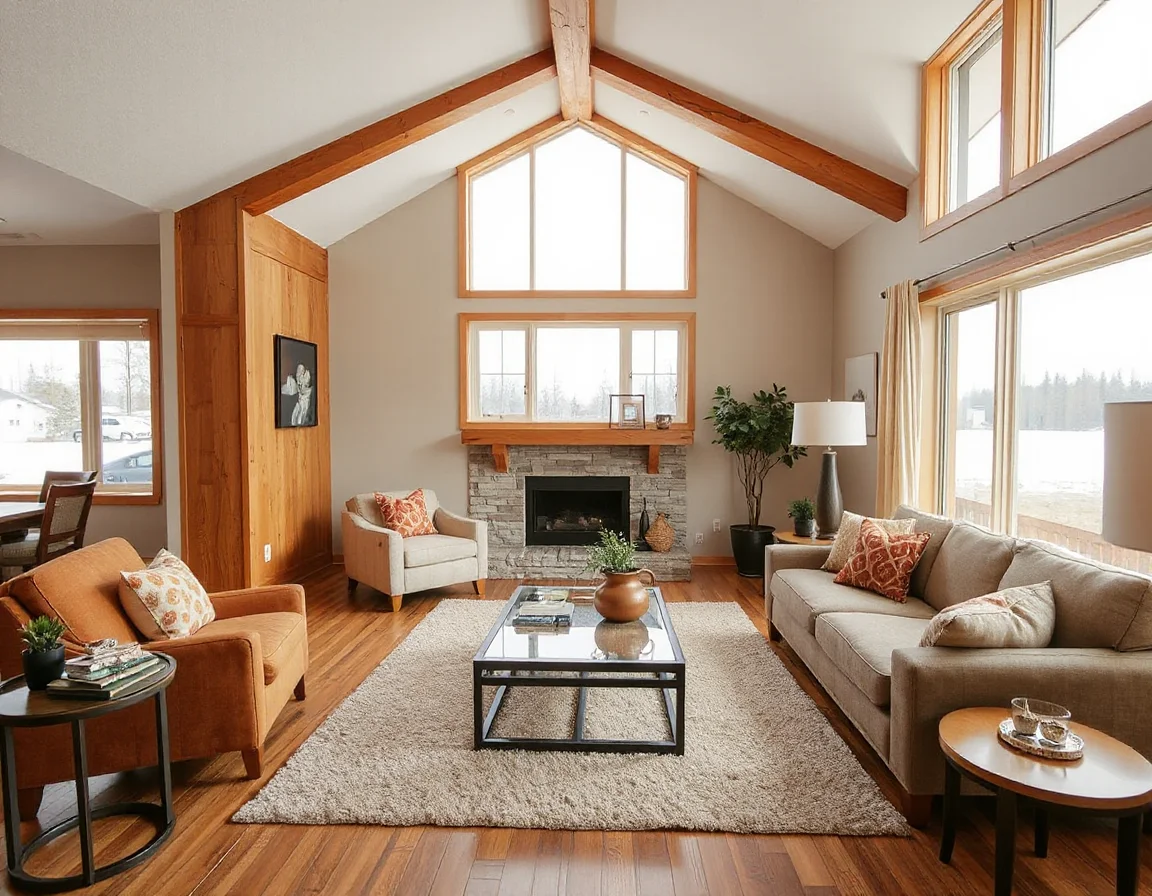
A useful buyer strategy begins with preparation before a favorite listing appears. A current pre-approval, a realistic monthly budget, and an understanding of closing costs can make the decision process calmer and more precise. It also helps to identify which features are essential, which are preferred, and which improvements could be completed over time. That framework makes it easier to recognize value when a suitable home becomes available.
Condition remains especially important. Buyers should look beyond paint colors and furnishings to ask about roof age, heating and cooling, drainage, insulation, septic or well considerations where applicable, and any visible signs of maintenance needs. A competitive price can still be the right opportunity, but only when the expected cost of ownership is considered alongside the purchase price.
Veneta’s connection to outdoor recreation, local services, and the broader Lane County area can make location-specific research worthwhile as well. Commute routes, road conditions, property boundaries, utility access, zoning, and parcel characteristics are practical items to verify early. For rural or acreage properties, buyers may also want to explore access agreements, water sources, outbuildings, and land-use questions with the appropriate professionals.
More selection can create better comparison opportunities, but well-priced homes in strong condition can still move quickly. Being ready to tour, review, and respond is often more useful than trying to predict the exact “perfect” week to buy.
What Pricing Trends Ask of Sellers
For sellers, a changing inventory level puts a premium on precision. The goal is not simply to choose a price that sounds appealing; it is to position the property so buyers understand its value when they compare it with other available homes. The first days on market are especially important because a new listing receives attention from buyers who have been waiting for a fit.
A thoughtful pricing plan starts with recent closed sales but does not end there. Active listings show what buyers are seeing today, while pending listings can indicate where recent buyer decisions have landed. Expired and withdrawn listings may also reveal what the market did not support. Together, these categories help shape a strategy grounded in current conditions rather than assumptions.
Presentation has a measurable role in that strategy. Clean, well-lit rooms, manageable personal items, repaired details, and strong photography help buyers assess a property online before they ever schedule a showing. Outside, a maintained entry, clear pathways, trimmed landscaping, and attention to obvious repairs can strengthen a home’s first impression. These steps do not replace accurate pricing, but they can support it.
Flexibility can matter, too. Sellers may receive offers with different financing types, timelines, inspection requests, and closing preferences. The strongest offer is not always the one with the highest number at the top of the page. Reviewing the full package—including contingencies, financing strength, requested concessions, and likelihood of closing—creates a more informed decision.
Request your Oregon home valuation
A Practical Way to Watch the Next Few Months
Both buyers and sellers benefit from treating market data as a guide rather than a forecast guarantee. Interest-rate movement, seasonal listing patterns, local employment conditions, and the flow of new inventory can all influence activity. A small shift in available homes can feel significant in a local market, particularly when only a limited number of comparable properties are for sale.
Buyers can watch for new listings, price adjustments, and the pace at which comparable homes go pending. Sellers can monitor showing feedback, online activity, and competing listings after launch. In either case, it helps to revisit the plan as new information arrives instead of relying entirely on a decision made weeks earlier.
The best next step is a property-specific conversation. A home’s condition, location, lot, layout, and current competition will shape its position in the Veneta market far more than a single statewide statistic. With a focused review of the available data and a clear plan, buyers and sellers can move forward with greater confidence and fewer surprises.