Selling a home in Lane County is more than placing a sign in the yard: it is a sequence of pricing, preparation, marketing, negotiations, inspections, and closing details. A thoughtful plan can help you present the property clearly, respond to changing market conditions, and move from listing day to closing with fewer surprises.
Begin With a Clear Picture of Your Property’s Position
Every successful sale starts with an honest, well-supported view of the home and the current competition. Lane County includes a wide range of housing settings, from established neighborhoods in Eugene and Springfield to acreage properties, smaller communities, and homes near open space or commuting corridors. That variety makes local comparison especially important. A home’s value is shaped not only by its square footage and bedroom count, but also by condition, layout, lot characteristics, updates, location, and the homes currently available to buyers.
Before choosing a list price, it helps to review recent comparable sales, pending transactions, and active listings that a buyer may consider alongside your home. Closed sales show what purchasers have recently paid; active listings reveal the alternatives that will be visible during your marketing period. Pending sales can offer another useful signal, though final terms are not always public immediately. The goal is not simply to select a number that sounds appealing. It is to position the home in a way that invites qualified attention while recognizing its actual features and the present market.
Condition matters just as much as pricing. Buyers often make quick judgments from online photos and their first few moments on site, so it is useful to identify repairs, maintenance tasks, or presentation improvements before the home is photographed. That might include touching up paint, replacing worn hardware, improving lighting, servicing major systems when appropriate, clearing gutters, or addressing visible deferred maintenance. A pre-listing walkthrough can help sort projects into three groups: necessary repairs, high-impact cosmetic improvements, and items that may be better disclosed than over-improved.
A well-priced home with clean presentation often creates more productive early conversations than a higher-priced listing that requires repeated reductions after the first wave of buyer attention has passed.
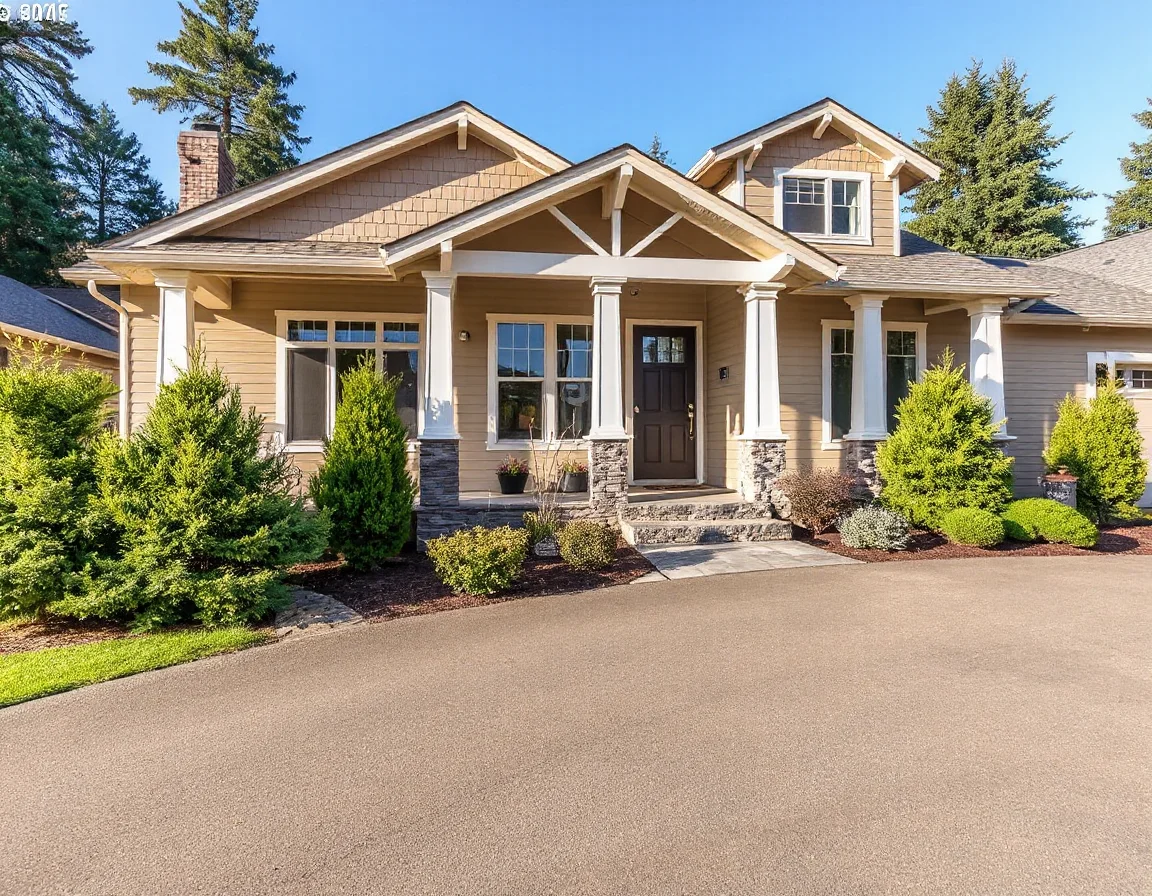
Lane County’s seasonal weather is another practical consideration. Rain, changing daylight, and landscaping conditions can affect photography, exterior preparation, and showing logistics. Fresh mulch, trimmed plantings, a tidy entry, and well-lit interior rooms can make a meaningful difference in any season. If your property has acreage, outbuildings, a garden, a deck, or specialized features, document those elements clearly so buyers can understand the full offering before they arrive.
Prepare for Marketing That Answers Buyer Questions
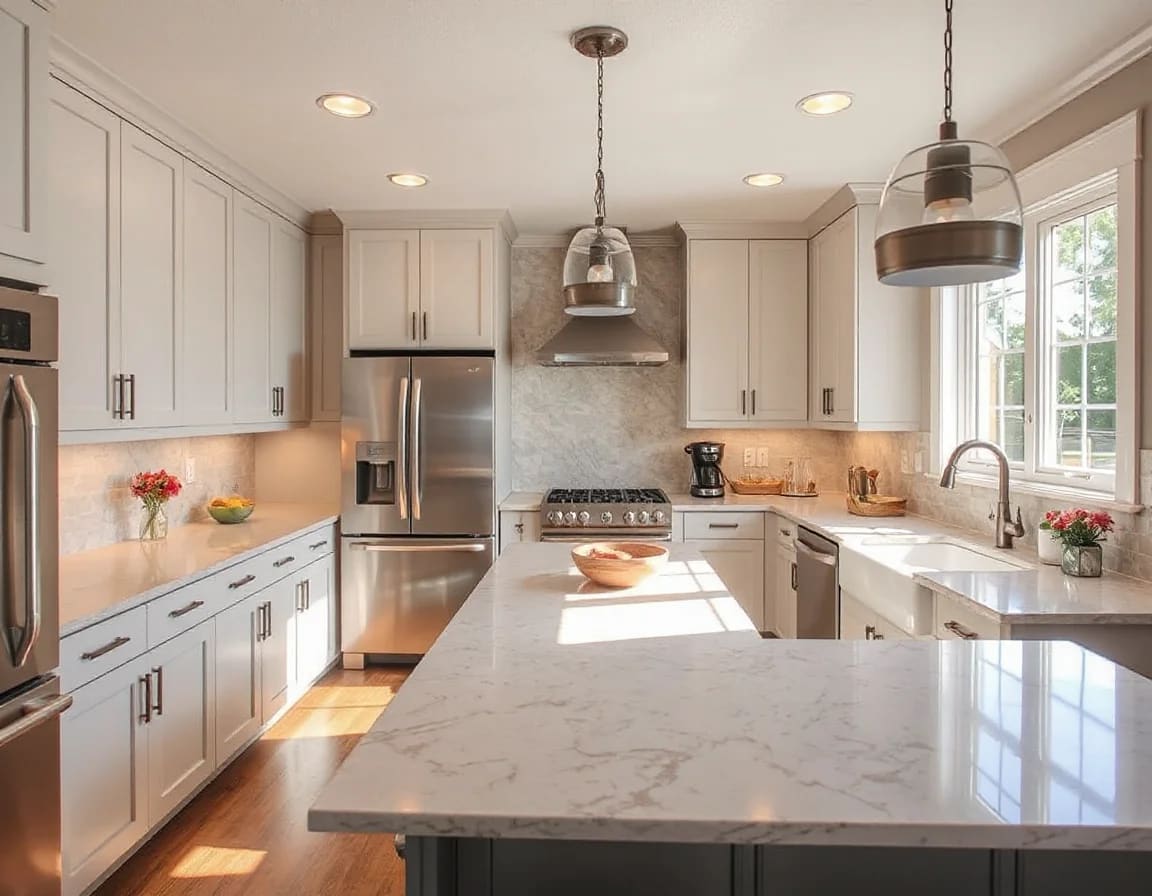
Once the home is ready, the marketing process should make its strongest features easy to understand. Professional photography, a complete property description, accurate room details, and a thoughtful launch plan all work together. Good marketing does not rely on vague superlatives. It shows buyers what is useful and distinctive: a flexible layout, updated kitchen, covered outdoor area, workshop space, energy-conscious improvements, storage, views, proximity to transportation routes, or access to nearby recreation and services.

Photos should be taken after decluttering and cleaning, not before. Removing excess furniture and personal items can help rooms feel more open while still allowing the home to look lived in and functional. Window coverings should be adjusted for balanced light, countertops should be simplified, and storage areas should be organized when possible. Buyers routinely look in closets, pantries, garages, and utility spaces, so these areas are part of the presentation rather than an afterthought.
Expect showings to require some flexibility. Sellers generally benefit from keeping the home orderly and making access as convenient as reasonably possible. Each showing is an opportunity for a buyer to compare the property with others they have seen, and a difficult-to-schedule home may receive fewer opportunities. Your agent can help coordinate notice preferences, access instructions, security considerations, and feedback from appointments while respecting your daily routine.
For some properties, supplemental materials can be valuable. A list of improvements, copies of relevant permits or receipts, utility information, well or septic records where applicable, and manuals for installed equipment may reduce uncertainty later in the transaction. These materials do not replace required disclosures or inspections, but they can help present an organized, transparent picture of the property.
Clear documentation is particularly helpful when a home includes upgrades, acreage features, solar equipment, private utilities, or work completed over several years.
Understand Offers Beyond the Price
An offer is a package of terms, not just a purchase price. In Lane County, the strongest offer for a particular seller may depend on financing, earnest money, requested closing date, contingencies, repair expectations, appraisal terms, and the buyer’s ability to complete the transaction. A cash offer, for example, may have a different appraisal or financing profile than an offer using a loan. Neither is automatically better; the details deserve a careful comparison.
Inspection periods are a normal part of many transactions. Buyers may arrange general inspections and, depending on the property, may investigate roofs, sewer lines, wells, septic systems, radon, pests, wood-burning features, boundaries, or other items. The inspection process can lead to requests for repairs, credits, price adjustments, or no further action. Sellers are not required to guess in advance what every inspection will uncover, but preparing maintenance records and addressing known issues early can make the conversation more straightforward.
Appraisals also deserve attention when financing is involved. An appraiser considers the property, recent sales, and market evidence to support an opinion of value for the lender. If an appraisal comes in below the contract price, the parties may need to revisit the terms. Possible outcomes can include a price change, an additional buyer contribution, revised financing, a challenge supported by relevant information, or an agreement to end the transaction if the contract allows. Clear communication and prompt review of the available options matter at this stage.
Disclosure is another central responsibility. Oregon sellers are generally expected to provide required disclosure information accurately and in good faith. When in doubt, it is usually wiser to raise a question with the appropriate professional than to leave a known issue unexplained. Your real estate agent can guide the process, while attorneys, inspectors, contractors, title professionals, and tax advisers can address matters within their respective areas of expertise.
Talk with Wendy about your selling plan
Plan for the Final Stretch to Closing
After the parties reach agreement, the transaction enters a detailed coordination phase. Title work, lender requirements, inspections, appraisal, repair negotiations, insurance, final walk-through planning, and closing documents all move on their own timelines. Staying responsive to requests for documents or signatures can help avoid preventable delays. Sellers should also keep the home insured and maintained until closing, because the property remains their responsibility until ownership transfers.
As closing approaches, make a practical moving plan. Confirm which fixtures and personal property are included in the contract, remove items that are not part of the sale, and leave agreed-upon keys, remotes, manuals, and access information in the requested manner. A final cleaning is often appreciated, and it is helpful to ensure the property is in the condition required by the agreement before the buyer’s final walk-through.
The best selling experience is built on preparation and communication. Oregon Life Homes and Wendy Rigsby focus on clear guidance through each stage, from evaluating the property and preparing for launch to reviewing offers and navigating the path to closing. Whether you are selling a home in Eugene, Springfield, or elsewhere in Lane County, a tailored plan can help you make informed decisions while keeping the process organized from beginning to end.