Before photos, showings, and open-house plans, a handful of focused repairs can make a Douglas County home feel more cared for from the first glance. These five projects are not about over-renovating; they are about helping buyers see the home’s condition, function, and potential with fewer distractions.
Start With the Details That Shape a First Impression
Preparing to sell does not always mean taking on a major remodel. In fact, the most effective pre-listing work is often practical: resolving visible maintenance items, improving light, and making key spaces feel clean and easy to understand. Buyers touring homes in Douglas County may be comparing in-town properties, acreage, established neighborhoods, and homes with outbuildings, so clear presentation matters. A well-prepared property helps visitors focus on the layout, setting, and features rather than creating a mental repair list at the front door.

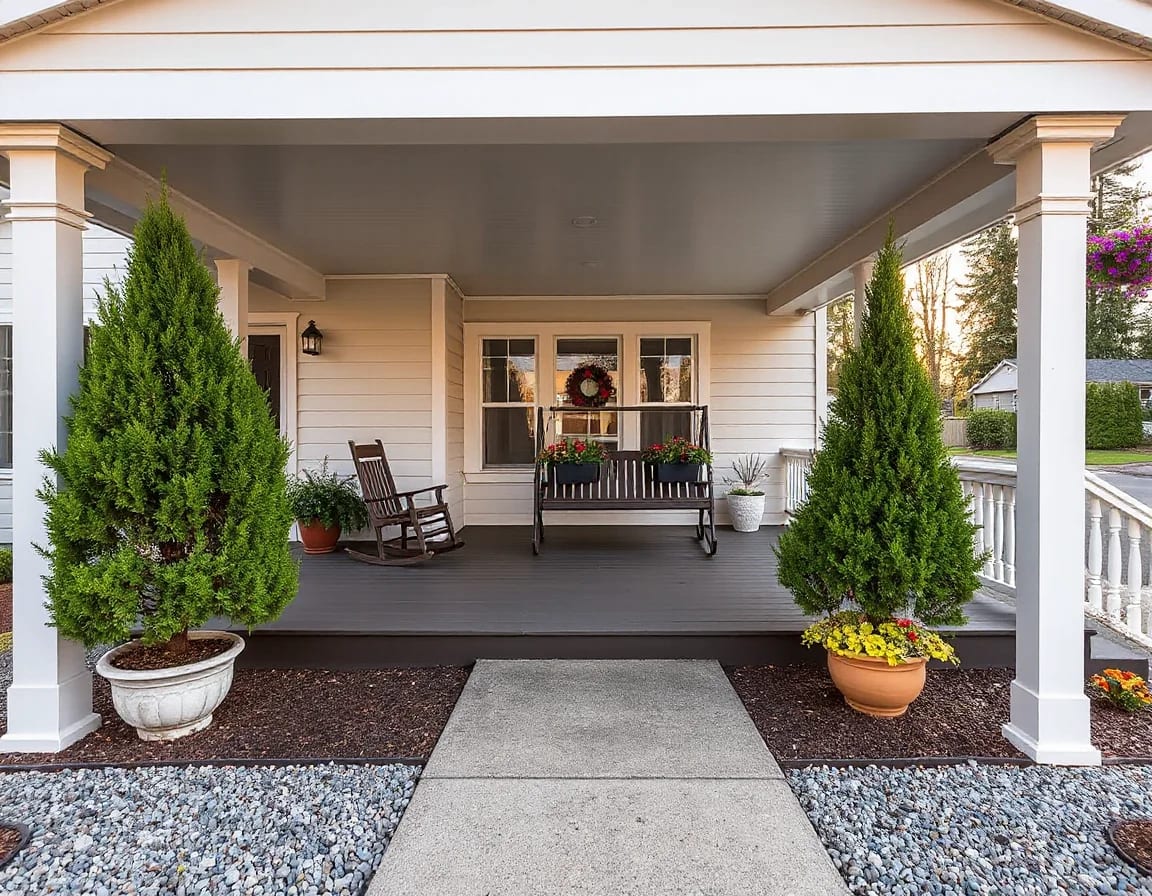
Fix number one: refresh the approach to the home. The path from the street or driveway to the entry is a buyer’s first close-up look at the property. Clear leaves and debris from walkways, trim back plants that crowd the path, replace burned-out exterior bulbs, and make sure house numbers are visible. A freshly cleaned front door, intact hardware, and a doormat in good condition can have an outsized impact. For homes with longer driveways, gates, or rural access points, confirm that these areas look orderly and are easy to navigate during a showing.
Exterior touch-ups should also include the small defects people notice while waiting for a door to open: peeling paint on trim, a loose porch rail, a sagging screen, clogged gutters, or a damaged mailbox. Not every surface needs to be new, but deferred maintenance can make buyers question systems they cannot see. Addressing obvious issues in advance supports a more confident showing experience and gives listing photography a cleaner, more polished starting point.
Fix number two: make light fixtures, switches, and outlets feel dependable. Replace mismatched bulbs with consistent warm-white LEDs, wipe dust from fixture shades, and repair switches or outlets that do not operate properly. Light is especially important during Oregon’s cloudier months, when a bright interior can make rooms feel more open and inviting. Open window coverings for photography and showings, but first clean the glass and remove any damaged blinds or worn curtains that distract from the view.
A buyer may not remember every light fixture, but they will notice when a room feels dim, a switch does not work, or several bulbs are burned out. Small electrical and lighting fixes help the home feel maintained before a word is spoken.
Give Kitchens and Bathrooms a Clean, Functional Read
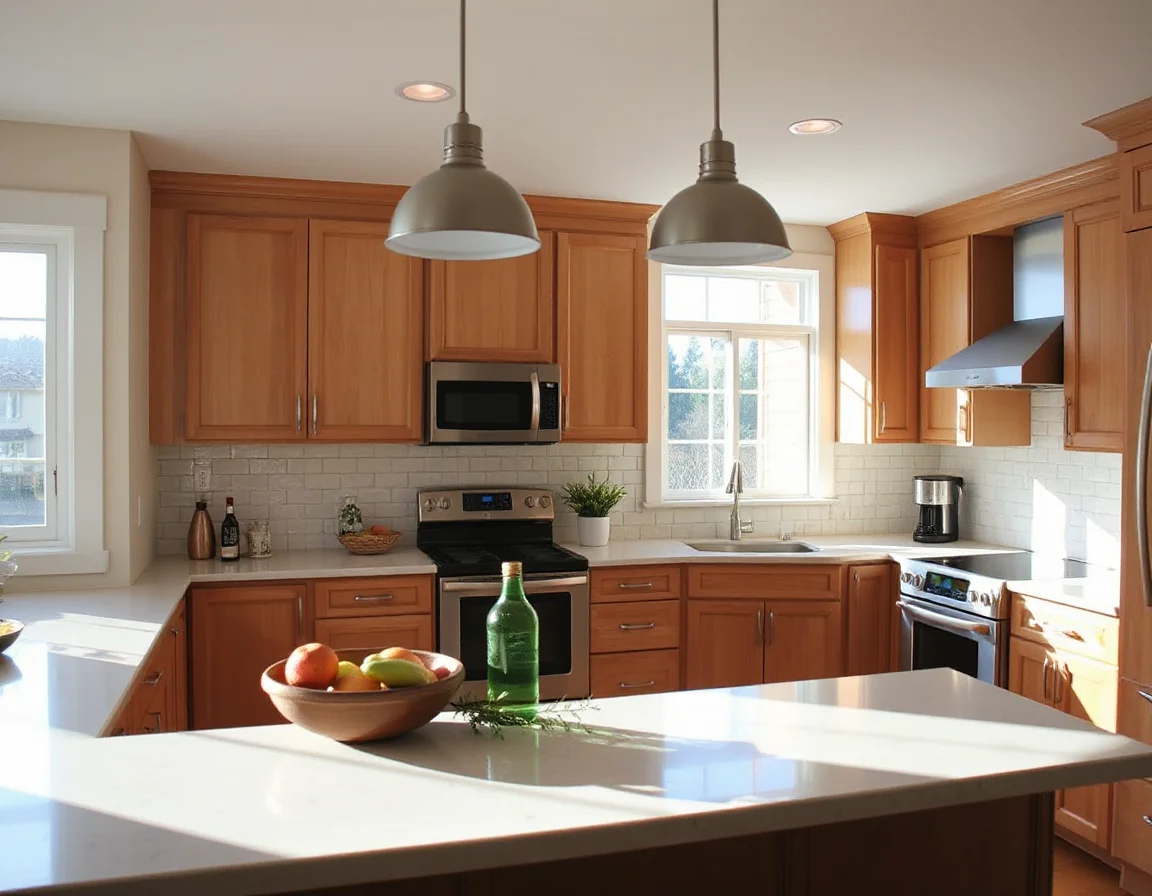
These rooms tend to receive extra attention because they combine finishes, storage, plumbing, and daily function. The goal is not necessarily a full renovation. Instead, focus on making every visible element feel clean, operational, and intentional. Start by removing countertop clutter, organizing open shelving, cleaning appliance fronts, and wiping cabinet faces and hardware. If cabinet pulls are loose, tighten them; if caulk around a sink or tub is cracked or discolored, replace it with a neat, fresh bead.
Fix number three: stop drips, sticking doors, and other everyday friction. A slow faucet drip, a cabinet door that hangs unevenly, a toilet that runs, or a bathroom fan that sounds unusually loud can pull attention away from a home’s stronger features. These are often manageable repairs, yet they signal daily upkeep more clearly than a fresh coat of paint. Test faucets, drains, toilets, doors, drawers, ceiling fans, and appliance functions before listing. If an item needs professional attention, handling it early can prevent a minor issue from becoming a showing-day concern.
In bathrooms, prioritize clean grout lines, clear mirrors, working exhaust fans, and fresh towels used only for showings. In kitchens, make the sink, cooktop, and backsplash shine. If the home has a pantry, utility room, mudroom, or laundry area, simplify those spaces as well. Buyers often open doors and cabinets to understand storage, so removing excess items can make the home’s usable space easier to see.
Fix number four: neutralize the paint and patchwork that interrupts a room. Scuffed baseboards, nail holes, chipped paint, and sharply personalized color choices can make an otherwise solid room feel unfinished. A targeted paint refresh in a soft, neutral tone can unify a space without requiring a whole-house project. Patch walls carefully, repaint high-traffic areas, and touch up trim where needed. The result should feel clean and move-in ready, not generic or stripped of personality.
Prepare the Property for Questions Buyers Are Likely to Ask
Douglas County homes can vary widely in lot size, construction era, utilities, and outdoor features. That variety is a strength, but it also means preparation should extend beyond the main living areas. Buyers commonly notice the condition of decks, fences, sheds, garages, crawlspace access points, and visible mechanical equipment. If the property includes a well, septic system, wood stove, outbuilding, or irrigation-related features, gather available records and make sure access points are clear. Being organized does not replace inspections, but it can make the transaction process smoother and help buyers understand what they are viewing.
Fix number five: tame the “in-between” spaces. Garages, closets, basements, utility rooms, and storage areas can either reinforce the home’s usefulness or create visual noise. Remove items that will not be moving with the property, sweep floors, replace broken shelving, and create clear paths around equipment and doors. In a garage or shop, a few labeled storage bins and a clean work surface can communicate usable square footage far better than a crowded collection of boxes. Outside, secure loose materials, stack firewood neatly if applicable, and clear around patios or decks so the footprint is easy to appreciate.
It is also wise to look at the home through the lens of listing photos. Stand in each doorway and ask what catches your eye first. Is it a scenic window, a spacious room, a fireplace, or a well-kept yard? Or is it an overloaded counter, a tangled cord, a worn rug, or a repair that could be completed in an afternoon? This simple walk-through often reveals the best order for pre-listing tasks.
The highest-value pre-listing work is often the work that reduces uncertainty: working fixtures, clean surfaces, clear access, and visible care throughout the property.
Choose Repairs With a Clear Selling Plan
Not every improvement produces the same return, and it is easy to spend too much on projects that do not match the home, price range, or current market conditions. Before committing to flooring, roofing, landscaping, or larger updates, consider the property’s overall condition and the competing listings buyers may see. Sometimes a repair is essential; other times, accurate pricing and a clean presentation are the more practical strategy. Clear guidance can help sellers prioritize the projects that make sense without turning preparation into an endless to-do list.
Start early enough to schedule contractors, allow paint or repairs to be completed properly, and leave time for a final deep clean. Then keep the home in showing-ready condition with a short daily routine: open blinds, turn on lights, clear counters, and keep exterior access tidy. These five fixes will not change a home’s location or floor plan, but they can make its best features easier to notice—and make the entire listing feel more thoughtfully cared for.